

HR Analytics: Using Data to Drive Strategic Recruitment Decisions in KSA
The traditional recruitment process sifting through hundreds of CVs and relying on gut feeling during interviews is prone to bias and high turnover costs. Today, HR Analytics (also known as People Analytics) provides a scientific lens through which companies can view their workforce.
By transforming raw data into actionable insights, Saudi companies can now make Strategic Recruitment Decisions that align perfectly with their long-term business goals. This article explores how data is reshaping the future of hiring and how your organization can lead this transformation.
What is HR Analytics?
HR Analytics is the systematic process of collecting, analyzing, and reporting human resources data to improve organizational performance. It involves applying statistics and modeling to employee data to see patterns and predict future trends. Rather than just tracking simple numbers, Human Resources Analytics answers complex questions: Why are top performers leaving? What traits predict success in a specific role? How can we optimize our hiring budget?
Why do companies rely on HR analytics for strategic hiring decisions?
In the context of the Saudi labor market, where nationalization (Saudization) and talent quality are top priorities, companies rely on HR Data Analysis for several reasons:
- Precision in Matching: Data helps identify the specific skills and cultural fits that correlate with high performance.
- Cost Reduction: Hiring the wrong person is expensive. Data-driven hiring reduces the risk of costly “bad hires.”
- Predictive Power: It allows companies to anticipate future talent needs rather than reacting to vacancies.
- Evidence-Based Decisions: Moving away from subjective opinions to objective, Data-Driven HR Solutions.
See details: Best Job Website in Saudi Arabia
How does HR analytics work within HR departments?
Modern HR departments at firms like Riyada use a tiered approach to Workforce Analytics:
- Data Collection: Gathering info from ATS (Applicant Tracking Systems), HRIS, and performance reviews.
- Monitoring: Using dashboards to track HR Metrics and KPIs like “Time-to-Hire” and “Cost-per-Hire.”
- Analysis: Identifying correlations (e.g., does a specific university degree actually lead to better sales performance?).
- Prediction: Using Talent Analytics to forecast which candidates are most likely to stay with the company for more than two years.
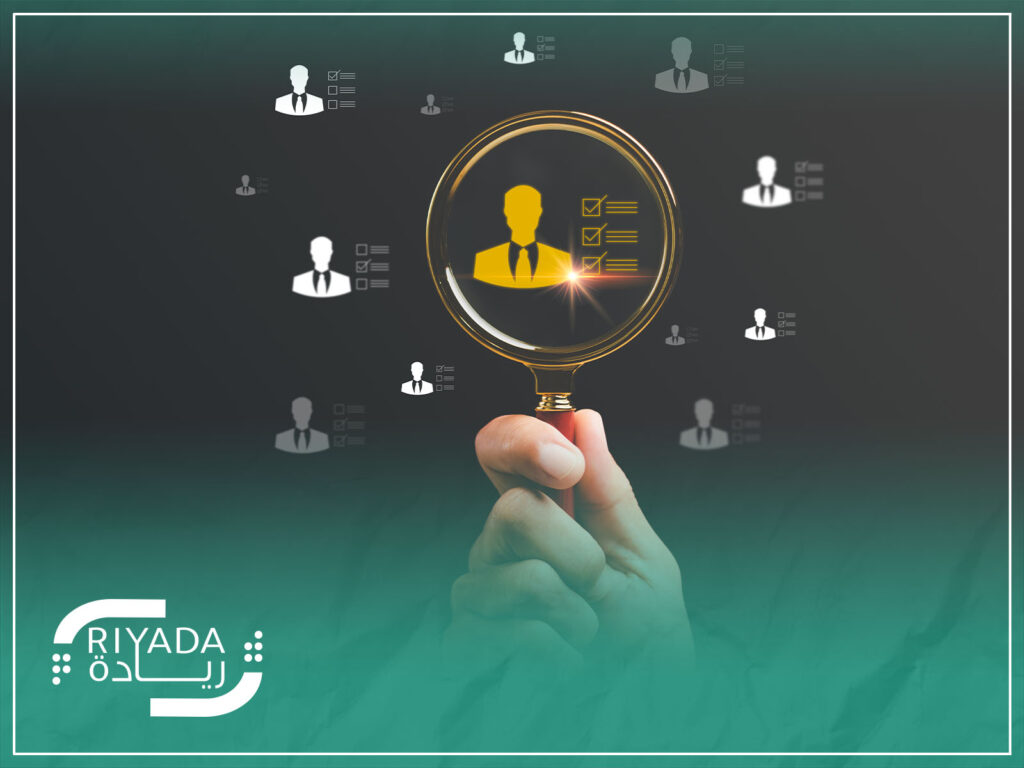
The role of data in improving recruitment and hiring decisions
Recruitment Analytics is the engine of a modern hiring machine. Data improves the process by:
- Optimizing Sourcing: Identifying which job boards or social platforms provide the highest quality candidates.
- Enhancing the Candidate Experience: Analyzing drop-off points in the application process to make it smoother.
- Eliminating Bias: Using standardized data points to evaluate candidates, ensuring fair and diverse hiring.
- Efficiency: Automating the screening process to focus human effort only on the most promising leads.
Key Types of HR Analytics
To master HR Analytics, organizations usually utilize three main types:
- Descriptive Analytics: Looking at what happened in the past (e.g., “What was our turnover rate last year?”).
- Predictive Analytics: Forecasting what might happen (e.g., “Which departments are at risk of a talent shortage in the next six months?”).
- Prescriptive Analytics: Recommending actions (e.g., “To increase retention in IT, we should implement flexible work hours based on current satisfaction data”).
View more: Complete Guide to Managing Remote Employees Compliant with Saudi Labor Laws
How HR analytics helps reduce employee turnover
One of the most powerful applications of People Analytics is in Employee Retention Analytics. By analyzing data from exit interviews, engagement surveys, and performance trends, companies can:
- Identify the “flight risk” of current high-performers.
- Determine if turnover is linked to specific managers or salary levels.
- Refine the hiring criteria to choose candidates who are more likely to thrive in the company’s unique culture.
Using HR analytics for workforce planning
Workforce Planning Analytics is essential for meeting Saudi Arabia’s growing industrial demands. It helps businesses:
- Calculate the gap between current staff capabilities and future business requirements.
- Plan for retirement waves and succession management.
- Ensure the organization is meeting Nitaqat (Saudization) targets while maintaining high-quality output.
Best practices for implementing HR analytics in organizations
Implementing Smart HR Systems requires a strategic approach. Here are our top recommendations at Riyada:
- Start with a Problem: Don’t just collect data for the sake of it. Start with a specific question, like “How can we speed up our hiring process?”
- Ensure Data Quality: Garbage in, garbage out. Ensure your records are clean, updated, and centralized.
- Invest in the Right Tools: Use platforms that offer intuitive visualization and easy integration with existing systems.
- Up-skill the HR Team: HR professionals need to become comfortable with data interpretation, not just data entry.
- Privacy First: Adhere strictly to Saudi Personal Data Protection Laws (PDPL).
Get insights: Recruitment Process Outsourcing RPO
Common challenges in using HR analytics and how to overcome them
Even with Data-Driven HR Solutions, obstacles can arise:
- Data Silos: Information is scattered across different departments. Solution: Implement a unified HRIS.
- Lack of Analytical Skills: HR teams may lack statistical expertise. Solution: Partner with experts like Riyada or hire dedicated data analysts for the HR function.
- Resistance to Change: Managers may prefer their “gut feeling.” Solution: Show them the financial impact and success stories of data-driven decisions.
Frequently asked questions about HR analytics
Is HR Analytics only for large corporations?
No. While large companies have more data, small businesses can use HR Analytics to make crucial early-stage hiring decisions that determine their survival.
What are the most important HR Metrics and KPIs to track first?
We recommend starting with Turnover Rate, Time-to-Hire, and Quality-of-Hire (performance ratings of new hires after six months).
Does HR analytics replace the human element in HR?
Never. Data provides the insights, but humans make the final, empathetic decisions. It empowers HR professionals; it doesn’t replace them.
Check this out: Do Contact Center Services Really Reduce Costs
In the Kingdom of Saudi Arabia’s fast-paced economy, staying ahead means making smarter, faster, and more accurate talent decisions. HR Analytics is the bridge that connects your human resources department to your boardroom’s strategic goals. By embracing Data-Driven Hiring, you aren’t just filling seats; you are building a resilient, high-performing workforce for the future.
Are you ready to transform your recruitment from a guessing game into a strategic powerhouse?
Connect with the experts at Riyada today. Let us help you implement advanced HR Analytics and Smart HR Systems that will revolutionize your hiring process and drive your business toward unprecedented success in the Saudi market!