
Measuring Employee Experience (EX): The Role of Technology in Enhancing the Saudi Workplace
The term “Employee Experience” (EX) has evolved from a human resources buzzword into a strategic imperative. In the modern Work Environment in Saudi Arabia, talent is mobile and expectations are high. It is no longer enough to offer a competitive salary; employees seek meaning, support, and seamless digital interaction.
Measuring Employee Experience allows companies to move away from guesswork and toward a data-driven understanding of what truly motivates their workforce. In this article, we explore how technology is revolutionizing this measurement and why it is the key to a thriving workplace.
What is Employee Experience (EX)?
Employee Experience (EX) refers to the sum of all interactions an individual has with an organization throughout their tenure—from the first recruitment contact to the final exit interview. It encompasses:
- The Physical Environment: The office space, tools, and comfort.
- The Cultural Environment: Leadership styles, values, and social connections.
- The Technological Environment: The ease of use and efficiency of Digital HR Solutions and internal software.
Why Employee Experience is Critical for Business Success
Focusing on Improving Employee Experience is not just about “making people happy”; it is a calculated business strategy. Companies that excel in EX benefit from:
- Attracting Top Talent: In a competitive Saudi market, a reputation for a great workplace is your strongest recruitment tool.
- Retention: High-quality EX significantly reduces turnover rates, saving the massive costs of rehiring and training.
- Innovation: When employees feel supported, they are more likely to take creative risks and contribute new ideas.
- Customer Satisfaction: There is a direct link between happy employees and happy customers.
Read about: The Future of Customer Service
The Relationship Between Employee Experience and Organizational Performance
Research consistently shows that EX is a lead indicator of financial health. When you focus on Employee Experience Management, you are optimizing the engine of your business.
- Productivity: Engaged employees work more efficiently and with greater focus.
- Agility: A positive environment fosters resilience, allowing the organization to adapt quickly to market changes.
- Brand Advocacy: Employees who have a great experience become the brand’s most authentic ambassadors.
How Technology Enables Employee Experience Measurement
In the past, understanding employee sentiment was restricted to an annual, static survey. Today, HR Technologies have made Measuring Employee Experience a dynamic and real-time process. Technology helps by:
- Capturing Real-time Feedback: Through mobile apps and “pulse” surveys.
- Removing Anonymity Barriers: Providing safe, encrypted platforms where employees feel comfortable sharing honest truths.
- Global Reach: Ensuring that employees in different branches or remote locations are heard equally.
Tools and Systems Used to Measure Employee Experience
Modern Employee Experience Solutions rely on a variety of digital tools:
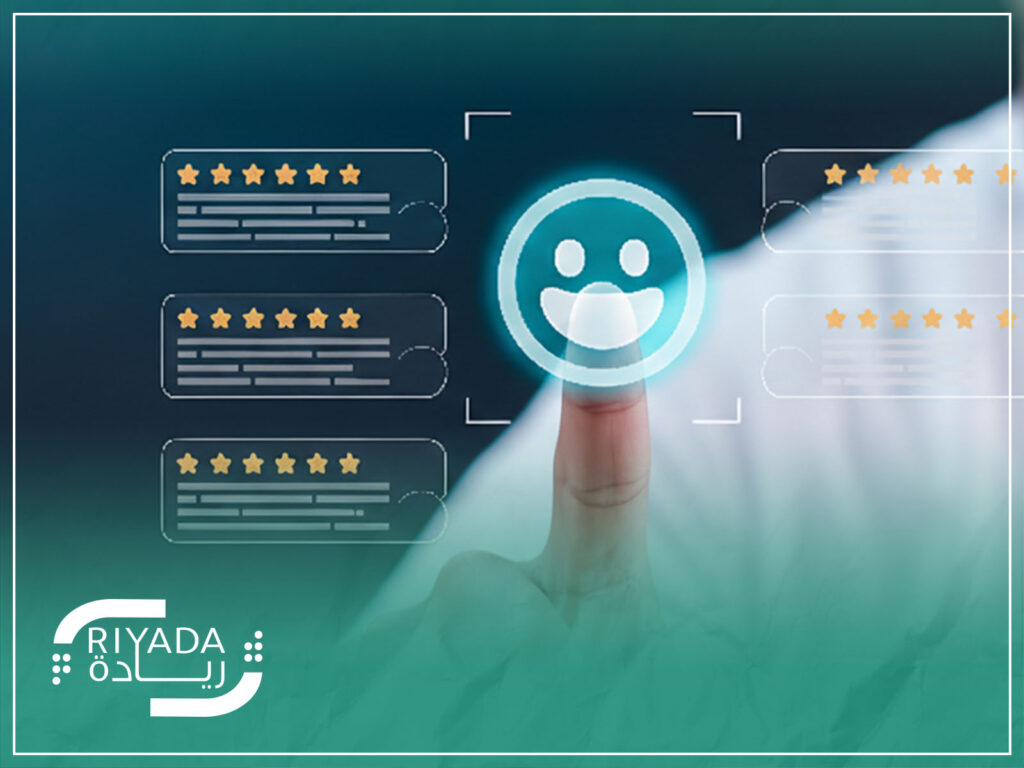
- Pulse Surveys: Short, frequent surveys that track the “heartbeat” of the organization.
- Sentiment Analysis: AI tools that analyze the tone of internal communication to gauge morale.
- Employee Journey Mapping Tools: Visualizing every touchpoint to identify where friction exists.
- Rewards and Recognition Platforms: Tracking engagement levels through the frequency of peer-to-peer appreciation.
Learn more about: Chatbot Integration with CRM and ERP
The Role of Data Analytics in Improving Employee Experience
Employee Experience Analytics transform raw feedback into a roadmap for change. By using Employee Experience Analysis, managers can:
- Identify specific departments suffering from burnout before it leads to resignations.
- Measure the impact of new policies (like hybrid work) on Employee Satisfaction.
- Predict future turnover trends based on engagement patterns.
- Tailor development programs to the specific needs of different demographic groups within the company.
How Digital HR Systems Enhance the Workplace Environment
Sophisticated Human Resources Systems act as the digital “home” for an employee. They improve the workplace by:
- Reducing Friction: Automated leave requests and payroll access remove administrative headaches.
- Empowerment: Self-service portals give employees control over their own data and career paths.
- Transparency: Clear tracking of performance goals and feedback loops builds trust.
- Connectivity: Integration with collaboration tools ensures that no employee feels isolated.
Discover: Human Risk Management
Best Practices for Improving Employee Experience in Saudi Companies
At Riyada, we recommend these local-market best practices:
- Cultural Alignment: Ensure your EX strategy respects and celebrates Saudi values and social traditions.
- Focus on Well-being: Integrate mental and physical health support into the workplace.
- Invest in Talent Management: Show employees a clear path for growth and upskilling within the organization.
- Action-Oriented Feedback: Never measure if you don’t intend to act. Show employees that their feedback leads to tangible changes.
- Modernize the Tech Stack: Ensure your Digital HR Solutions are mobile-friendly and intuitive.
Read about: Choosing the Right HRIS System
Challenges Businesses Face in Measuring Employee Experience
Even with the best HR Technologies, obstacles remain:
- Survey Fatigue: Over-surveying can lead to low response rates.
- Lack of Trust: Employees may fear that their feedback will be used against them.
- Data Silos: When EX data is not integrated with other business metrics, its value is diminished.
- Action Gaps: Collecting data but failing to implement visible improvements.
Frequently Asked Questions About Measuring Employee Experience
Is Measuring Employee Experience different from a Satisfaction Survey?
Yes. Satisfaction is about “how happy am I today?” while EX is about the entire journey, including tools, culture, and career growth.
How often should we measure EX?
While a major annual review is good, “pulse” checks should happen monthly or even weekly to capture the true mood of the office.
Does technology replace the need for face-to-face management?
No. Technology provides the data, but human leadership provides the solution. Tech should empower managers to have better, more informed conversations.
Learn more about: HR Analytics
In the Kingdom’s journey toward excellence, the organizations that will lead the way are those that prioritize their people. Measuring Employee Experience is the compass that ensures you are moving in the right direction. At Riyada, we are committed to providing the Employee Experience Solutions and strategic insights necessary to turn your workplace into a beacon of productivity and satisfaction.
Ready to unlock the full potential of your workforce through a world-class EX strategy?
Contact Riyada today. Let our experts help you implement the latest Digital HR Solutions and analytics to measure, manage, and master the employee experience in your organization. Together, we can build a workplace that inspires!